

Proverbs in Indonesia, or peribahasa Indonesia in English, do something most proverbs don’t. In addition to handing you advice, they show you how an entire civilization thinks: about nature, about community, about what it means to be human.
Every culture has its proverbs, but Indonesians carry a particular depth. Learn them, and you’re not building a vocabulary. You’re gaining a worldview.
Peribahasa: Alive, Relevant, and Still in Use Today
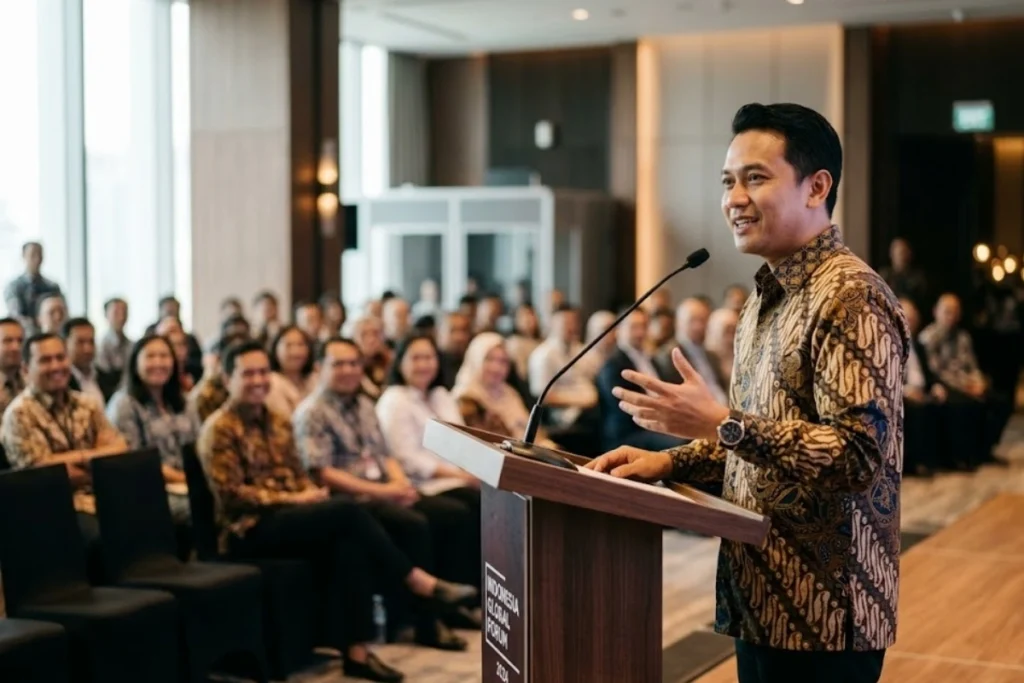
Peribahasa is the Indonesian word for proverbs. However, calling them “proverbs” undersells what they actually are. These famous Indonesian sayings aren’t relics.
Indonesians use them in daily conversations, formal speeches, and political addresses alike. Additionally, they serve two functions simultaneously: communication tool and moral compass.
Research confirms this dual role is intentional, where Indonesia’s Ministry of Education and Culture has formally embedded proverb analysis into the national character education curriculum. Language and values are indeed inseparable.
Three Things Indonesian Proverbs and Meanings Reveal About the Culture

Most articles list proverbs. Few ask what they collectively say. Look closely, and three values emerge consistently.
First, harmony with nature. Indonesian proverbs pull their imagery from rivers, animals, rice fields, and the sea because they lived within nature for centuries, not above it. “Air tenang menghanyutkan.” – Still waters carry things away.
Second, community over the individual. “Bersatu kita teguh, bercerai kita runtuh.” Meaning: United we stand, divided we fall.
Third, patience is a virtue, not a consolation. “Berakit-rakit ke hulu, berenang-renang ke tepian.” frames hardship as deliberate. A 2025 academic study confirms this depth: each proverb encodes an entire philosophical system, not just a quick piece of advice.
Same Wisdom, Different Landscapes: Where Indonesian and English Proverbs Meet

Even though separated by geography, history, and language, Indonesians and English speakers arrived at the same conclusions. “Ada asap ada api” and “there’s no smoke without fire” are essentially the same thought.
So are “buah jatuh tak jauh dari pohonnya” and “the apple doesn’t fall far from the tree.” Different fruit, but identical meaning.
Comparative linguistic studies confirm this pattern. Numerous Indonesian proverbs share not just equivalent meanings but near-identical metaphorical structures with their English counterparts.
But where it gets fascinating is the divergence. Check this out:
- “Ada udang di balik batu” (there’s shrimp behind a rock) – it captures hidden agenda through coastal imagery.
- “Mulutmu harimaumu” (your mouth is your tiger) – uses a predator that actually roamed Indonesian forests.
English reaches for ships and swords while Indonesia reaches for its own ecosystem. The wisdom is universal, but the imagery is unmistakably local.
Five Indonesian Proverbs That Reveal How Indonesians Actually Think

The real depth of Indonesian cultural values through proverbs shows up in the details—the specific animals, foods, and landscapes each saying reaches for.
Here are five worth knowing, and why each one lands harder than its English equivalent.
- “Gajah di pelupuk mata tak tampak, semut di seberang lautan tampak” (the elephant on your eyelid is invisible, the ant across the sea is clear) – A sharp, almost uncomfortable commentary on self-awareness that most people recognize immediately.
- “Seperti katak di bawah tempurung” (like a frog under a coconut shell) – More visceral than “living in a bubble.” You can almost feel the darkness.
- “Tong kosong nyaring bunyinya” (an empty barrel makes the loudest noise) – The concept exists in English, but this version stings more.
- “Sambil menyelam minum air” (drinking water while diving) – Indonesia’s version of multitasking, and considerably more poetic.
- “Nasi sudah menjadi bubur” (the rice has become porridge) – What’s done cannot be undone.
Also, the notable tiger in “Mulutmu harimaumu” wasn’t chosen randomly. Javan and Sumatran tigers were real, present dangers. Thus, the metaphor came from lived experience.
Language is Culture, and Culture is Worth Learning

Grammar gets you understood while culture gets you connected. Proverbs are where language stops being a system and starts being a people.
At Fun English Course, we teach English the way it actually lives. Join our conversation class and register now to start learning proverbs in Indonesia with real context.