

Over 40% of the world’s 7.000 languages face extinction,[1] which turns voices into silence. The most rare languages aren’t just oddities—they’re living archives of culture, memory, and wisdom. Stay with us as we uncover the most rare languages still clinging to life, each carrying stories you’ve probably never heard.
1. Taushiro
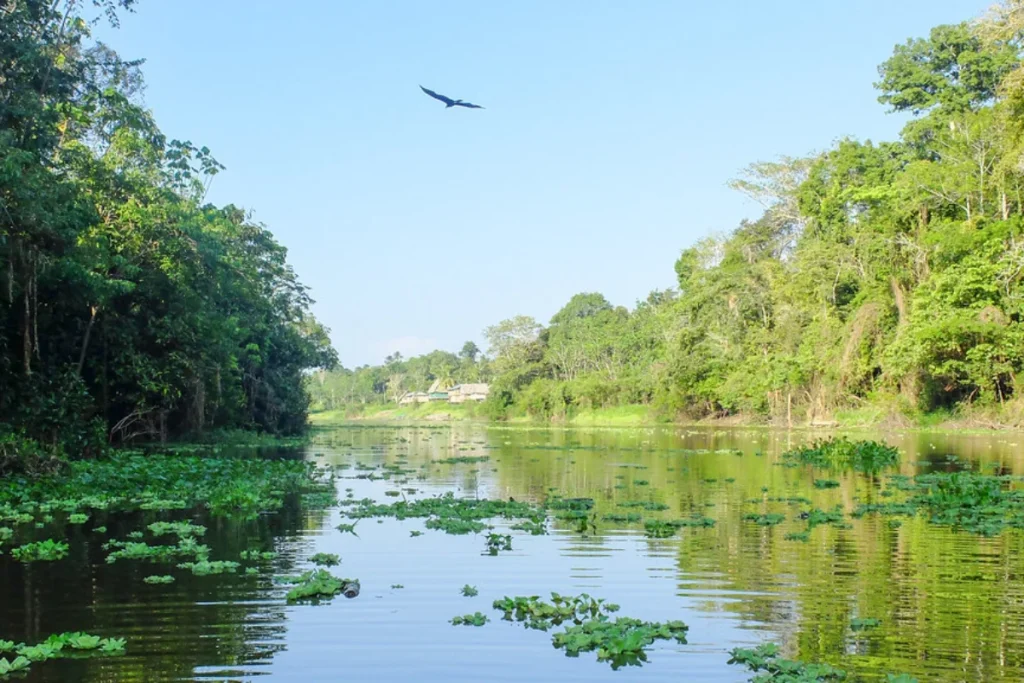
Deep in Peru’s Amazon, Taushiro survives through a single man, Amadeo García. One speaker, one living archive of a vanished world. Linguists rush to record every word, yet no recording can capture the loneliness of being the last mind that dreams, laughs, and remembers entirely in Taushiro.
2. Tanema
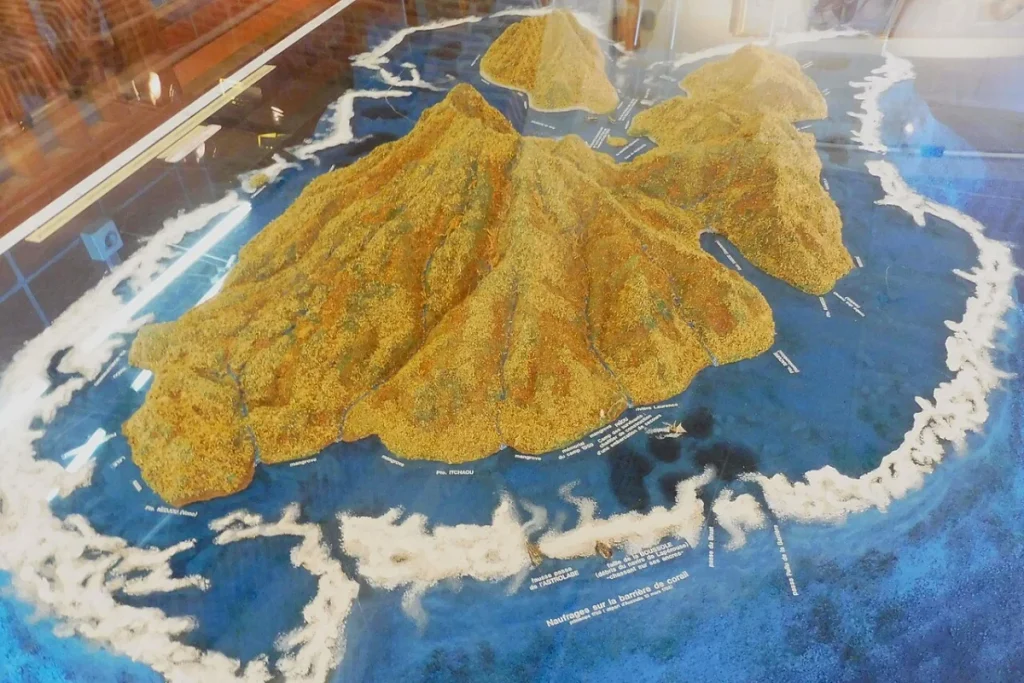
On Vanikoro Island, Tanema lingers in the voice of just one elder. Locals call it Tanema or sometimes Tanima, a tongue once tied to canoes, winds, and sea routes. Among the least spoken languages in the world, it carries an ocean’s worth of memory in a single breath.
3. Kaixana
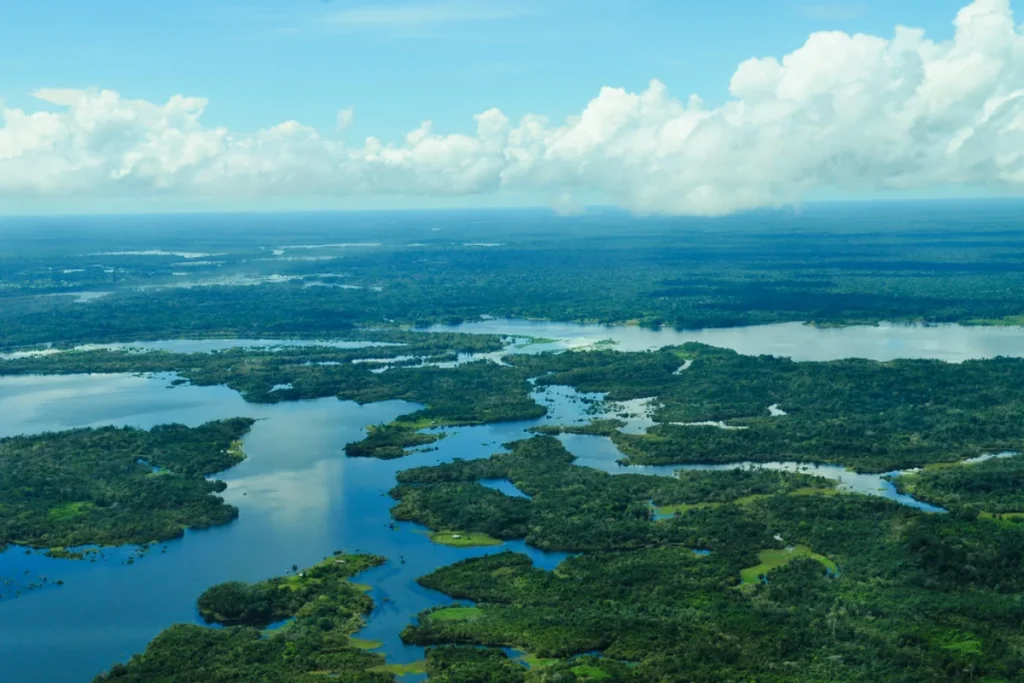
Deep in Brazil’s Amazon, Kaixana now survives in a single recognized speaker. Once part of a dense web of tribal languages, it thinned under colonization, mission schools, and deforestation that broke communities apart.
Portuguese became the survival code; Kaixana retreated to memory, ritual, and a solitary voice.
4. Njerep
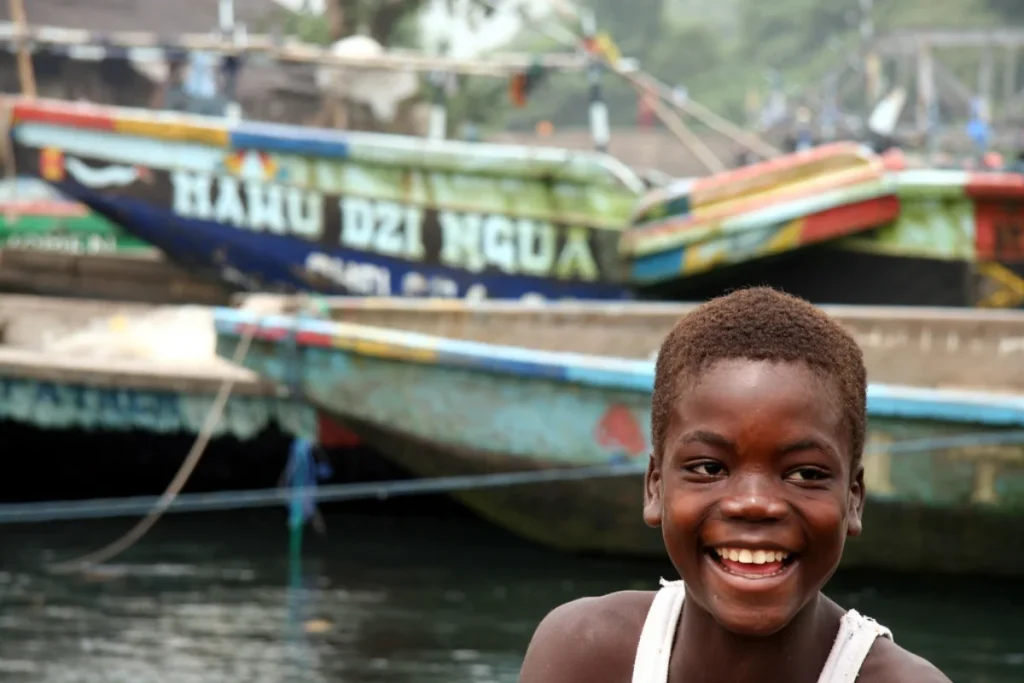
Along the Nigeria-Cameroon border, Njerep lives in whispers—fewer than six elderly speakers, often using it only in private to avoid stigma. It rarely appears on the endangered languages list headlines, yet it shows language death can be quiet.
5. Ongota
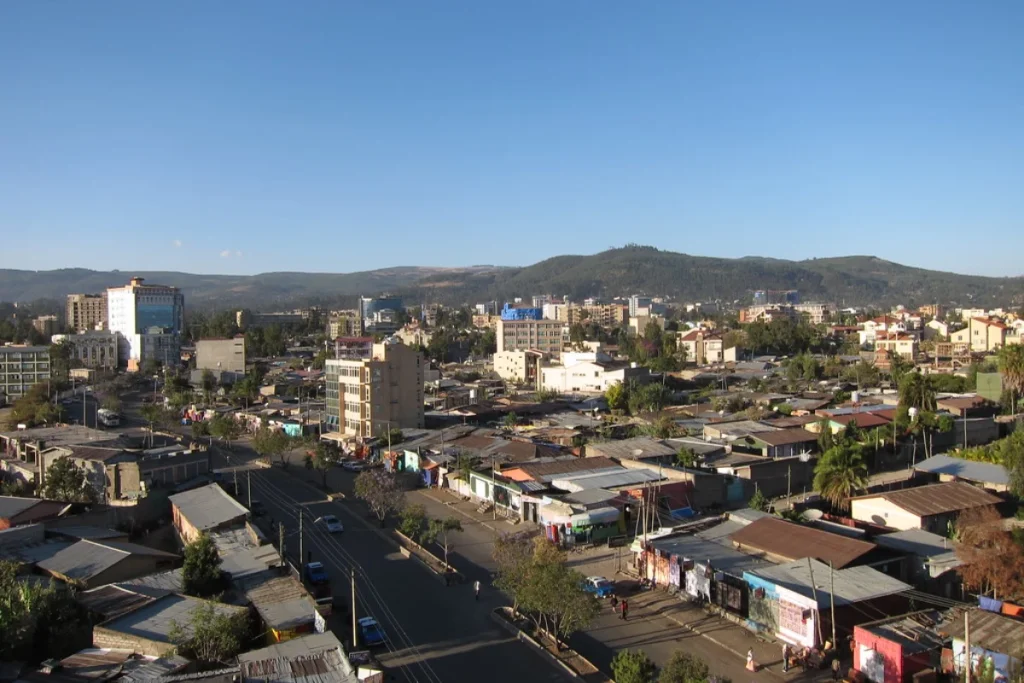
In Ethiopia, Ongota has a distinctive structure compared to neighboring tongues. However, it is down to roughly ten speakers today. Assimilation adds more pressure to Oromo or Amharic, leaving Ongota for memory, prayer, or song.
UNESCO calls it critically endangered; the real verdict happens when grandchildren answer in another language.
6. Ponosakan
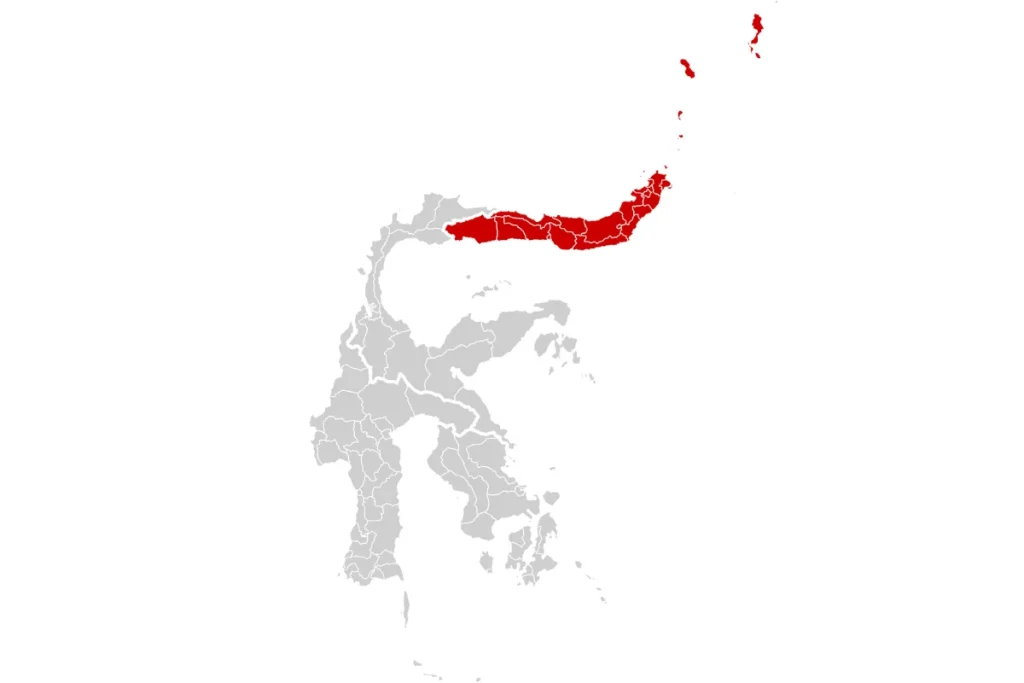
In North Sulawesi, Ponosakan hangs by three fluent speakers. Migration, intermarriage, and dominance of Indonesians make it one of the stark “dying languages today.” Yet its lexicon holds trade routes and coastal wisdom.
7. Ainu
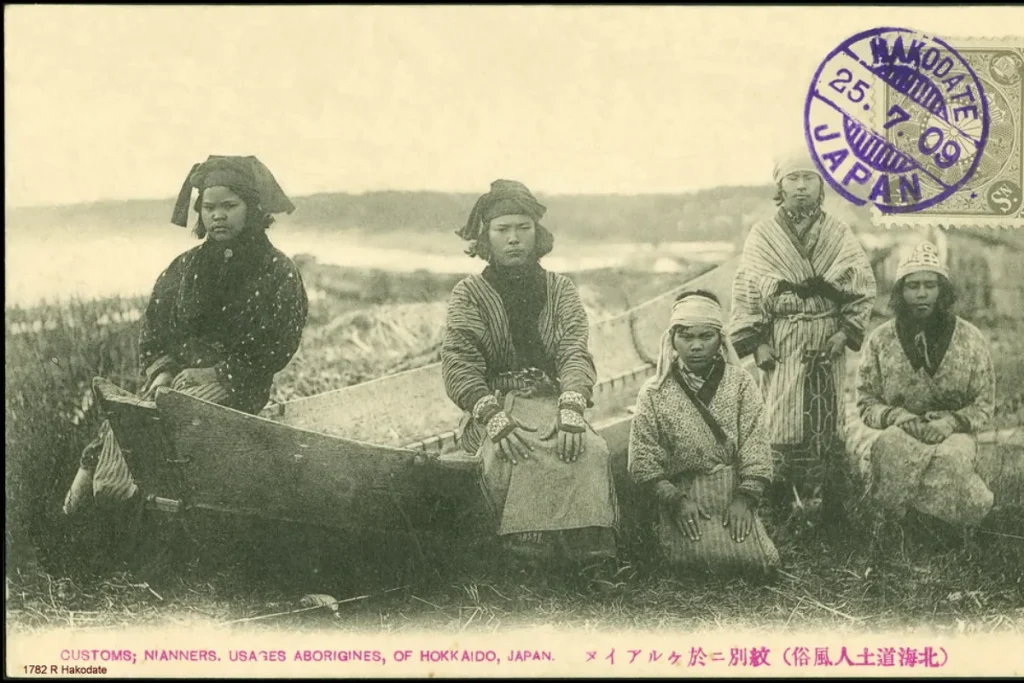
In Hokkaido, Ainu endures as culture takes precedence over language—few semi-speakers remain, but songs, rituals, and place-names still breathe. UNESCO marks it critically endangered; revival classes and festivals reseed vocabulary. Each learner is a bridge back to stories of bears, rivers, and spirits carried in Ainu words.
8. Tayap
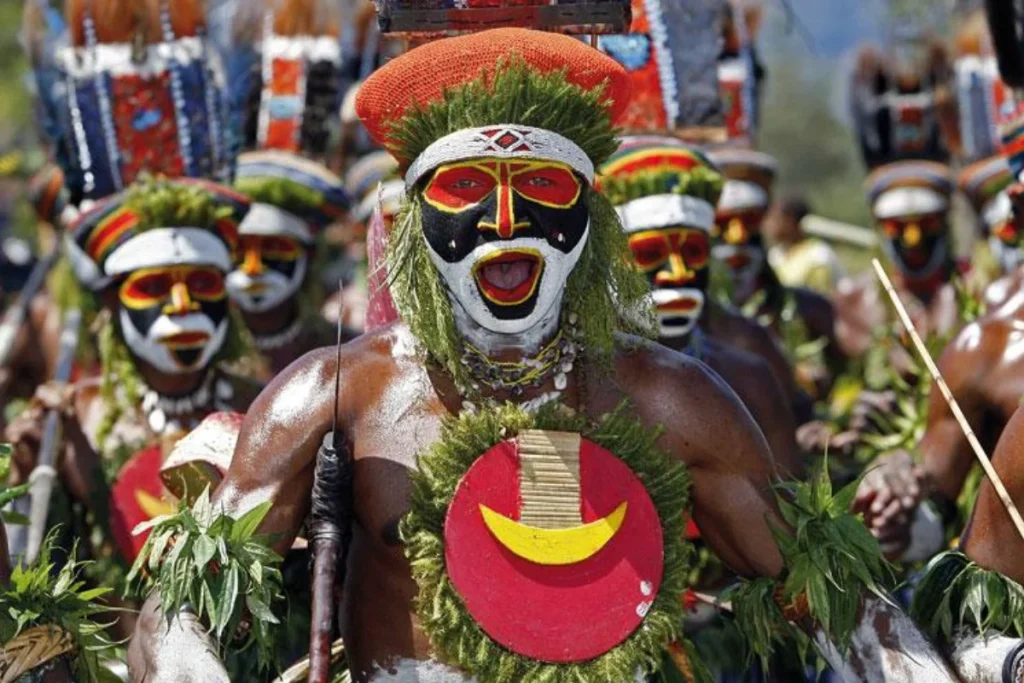
Tayap is a sound of Papua New Guinea that counts fewer than fifty speakers and belongs to a known family. Younger villages default to Tok Pisin. It’s not gone, but it often sits beside extinct language examples in cautionary charts—a reminder that isolation alone can’t protect a language without active use.
9. Livonian

Livonian of Latvia lost its last native speaker in 2013, yet refuses to disappear. Poems, signage, and choirs revive fragments as a second language. [2] It’s near-extinct, but politically present; a Baltic ghost that insists on daylight through archives, summer camps, and dictionaries built for new mouths.
10. Tolowa
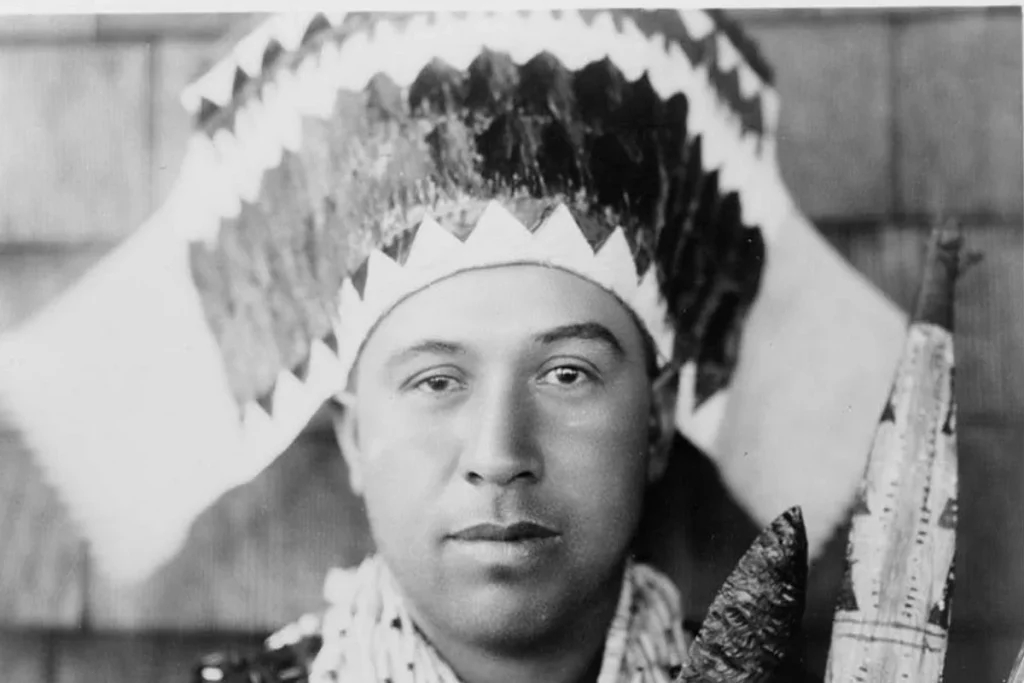
Across northern California and southern Oregon, Tolowa survives with a few elders and many songs. Community classes, storytelling circles, and digital dictionaries rebuild fluency.
Among rare indigenous languages, Tolowa shows revival isn’t only romantic, but also is administrative, social, and daily. Speak it at dinner, in school, at a ceremony; that’s how roots regrow.
You don’t need to be a linguist to see it—every language is an identity, a worldview, a library of knowledge. When one fades, traditions, stories, and even medicine go with it. Yet while some voices vanish, English grows stronger as a bridge across cultures.
Fun English Course is here to help you walk that bridge—kids, teens, adults alike. Consult first or enroll now, and start mastering English while still appreciating the most rare languages.